A designer that
equips your team with confidence and clarity.
Building products experts trust by solving systemic problems.
Careful research and hands-on prototyping are how I bring clarity early and reduce risk. This approach has helped teams move faster while building strong relationships with demanding users, from scientists to financial and technical professionals.
Past colleagues often describe me as curious, friendly, business-minded, and creative, traits that shape how I approach problems, collaborate with others, and connect design decisions to real outcomes.
I'm looking for a company where people care about each other and work closely as a team. If you want your team to feel more like a family, I'm likely a good fit.
At work, honesty, dignity, and humor matter most. Honest communication and treating people with respect are essential for sustainable collaboration, while humor brings lightness and balance to everyday work.
Cytiva · Karlsruhe, Germany
Led UX for cloud-based SaaS serving scientists and engineers. Evidence-based prototyping helped accelerate development by 40%.
Clario · Munich, Germany
Led global UX team for clinical trials management. Managed design system development reducing iteration times by 20%.
TDS.company · Remote
Facilitated 50+ strategy design sessions driving digital transformation for private corporations and public institutions.
Daylight Design · Munich, Germany
Delivered 11 projects (BMW, Bosch, Swiss Life, UNDP, Spoon Radio, and others). Active role in award winning projects.
Designing Trust and Adoption in Mechanistic Chromatography Modeling.
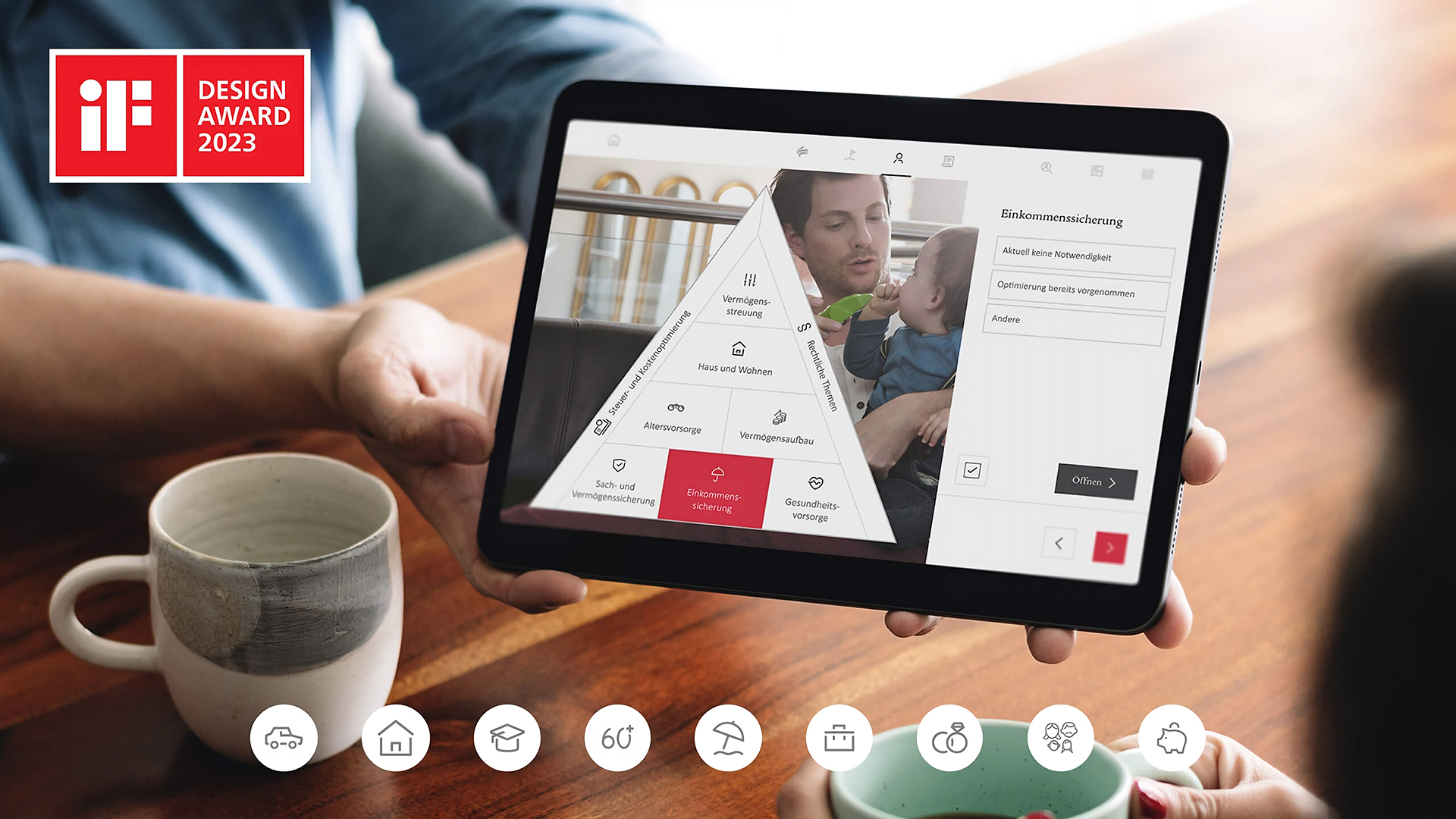
Collaborative financial planning tool for advisors and customers. Award-winning UI design.
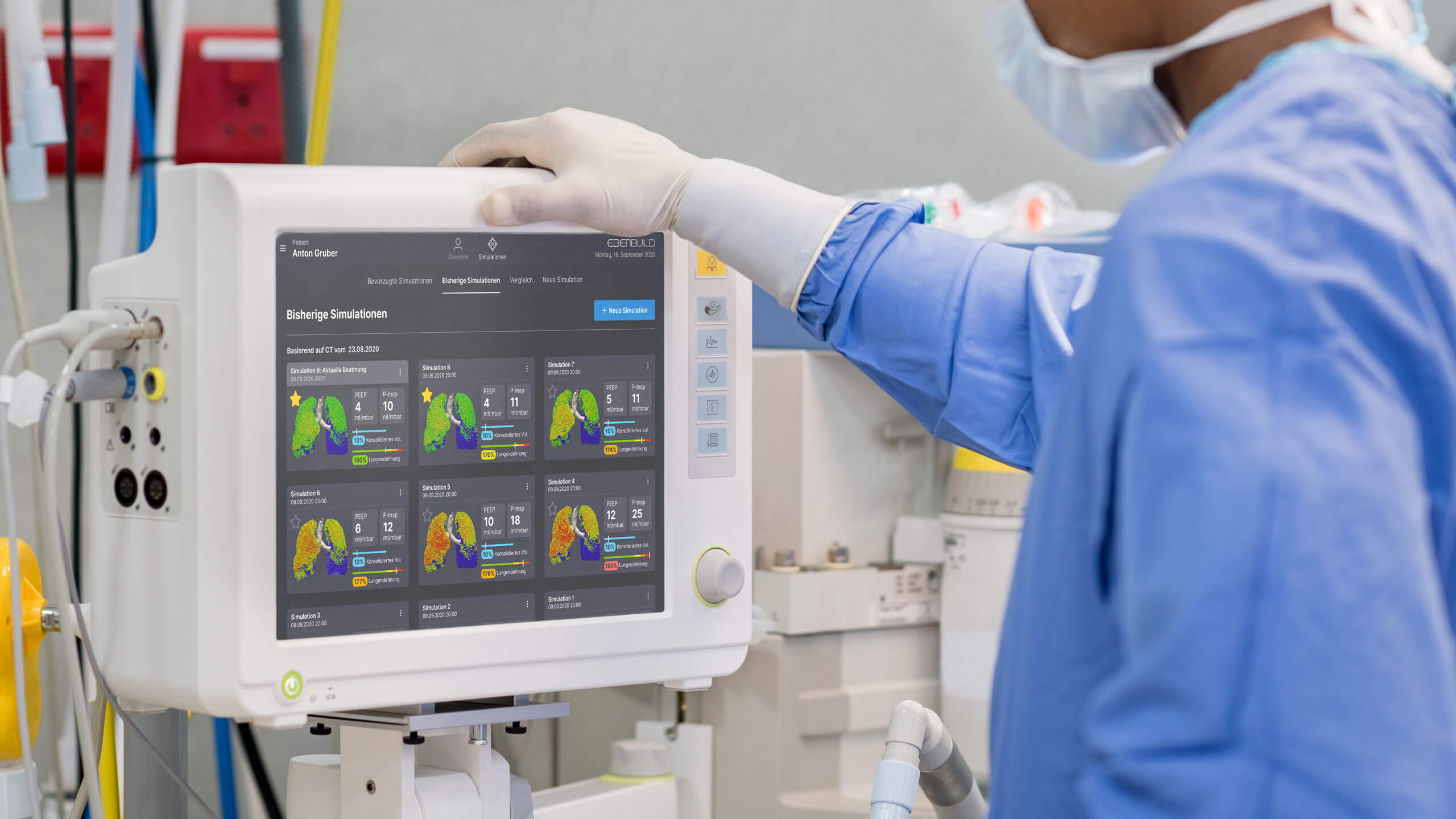
Designing for Life-Critical Decisions: UX for Predictive Lung Simulation.
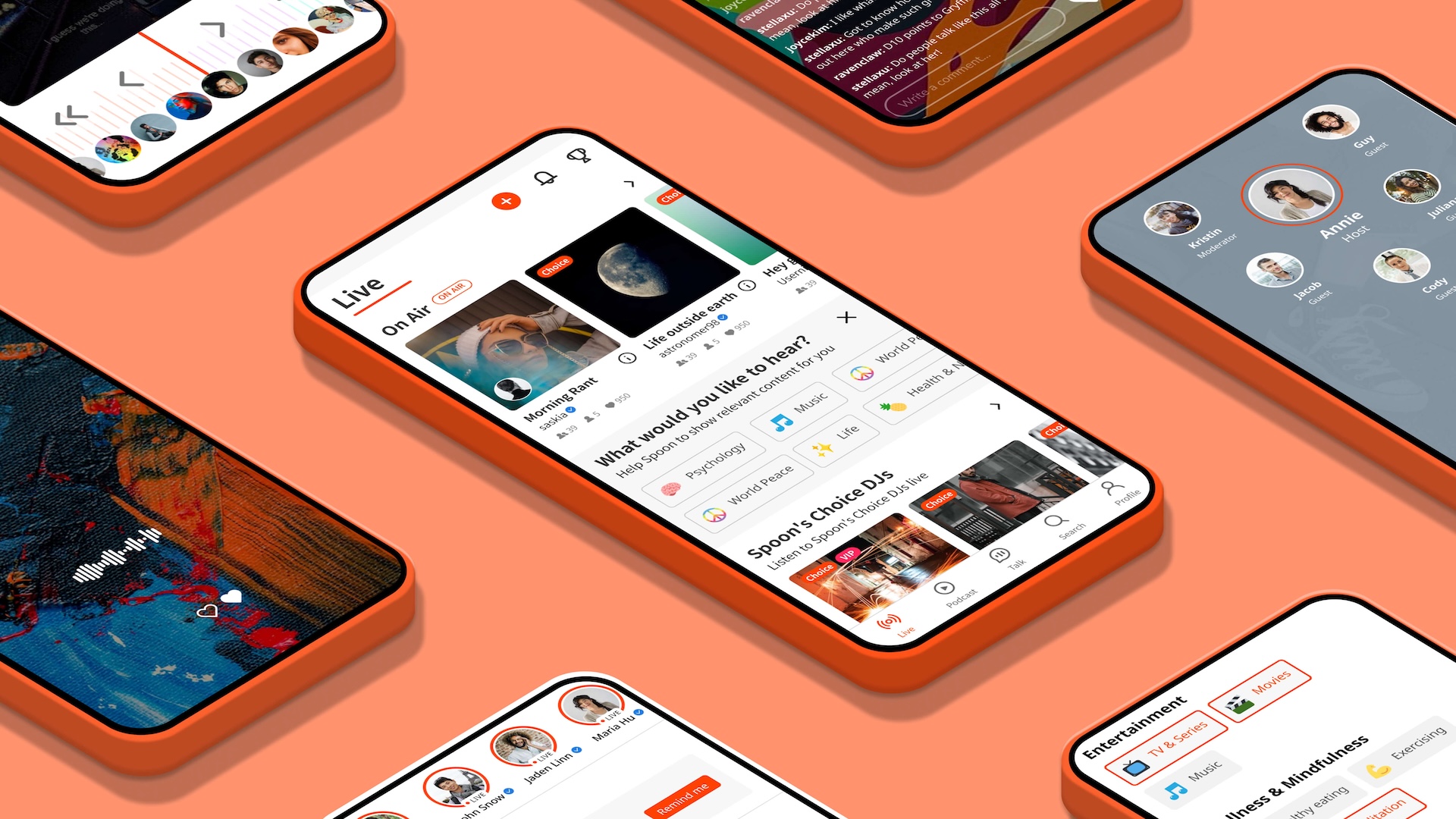
Scaling Engagement on a Live Audio Platform Through Collaborative Design.
I am available for full-time roles (IC or leadership) and high-impact contract work starting April 2026. I prefer jobs around Karlsruhe, Germany, but I am open to remote work.
Yes. I've worked remotely since 2021, leading distributed design teams and facilitating virtual workshops across time zones. I'm equally comfortable with fully remote, hybrid, or on-site arrangements.
No, I don't need visa sponsorship for a job within the EU. I hold German permanent residency and am authorized to work in Germany and across the EU without sponsorship.
While my recent work has focused on enterprise B2B SaaS in life sciences (Cytiva) and healthcare/clinical trials (Clario), I've worked across a wide range of industries. These include financial services (Swiss Life), consumer products and services (Samsung, Spoon Radio), automotive (BMW), industrial technology (Bosch), as well as public-sector and government projects (UNDP, Brazilian Government), where accessibility, compliance, and long-term maintainability were key constraints.
I specialize in tackling complex, high-stakes problems, especially in regulated or technically demanding domains, by translating ambiguity into clear product strategy, intuitive user experiences, and scalable design systems. I'm particularly strong at working with cross-functional teams to align business goals, technical constraints, and real user needs, from early discovery through delivery and iteration.
Absolutely. I'm equally effective as a senior IC delivering hands-on product design work and as a design lead guiding teams. As an IC, I focus on deep problem-solving, rapid iteration, and shipping high-quality, well-reasoned solutions independently.
My leadership experience strengthens my IC work: I understand the full product lifecycle, anticipate downstream implications, and collaborate autonomously with product and engineering, often requiring minimal direction while maintaining high standards and alignment.
Research → Problem framing → Rapid prototyping → Validation → Delivery
(with feedback loops between each step)
Work starts with evidence. Research, data, and stakeholder input help define the real problem before solutions are explored. Assumptions are tested early through rapid prototyping and validation, so teams can go back, adjust, and test again before committing to development.
The result is clear, buildable interfaces and patterns that engineering teams can implement confidently, with accessibility in mind and attention to real-world constraints. Iterative collaboration with product and engineering ensures solutions can be shipped, maintained, and evolved over time.
AI tools, used in line with company policy (GitHub Copilot, Figma AI, Cursor, Windsurf, Claude Code, v0) - help accelerate prototyping and exploration, reducing idea-to-wireframe time by roughly 40%. This enables faster iteration and broader exploration, while outcomes are still validated through user research and usability testing.
I presented on this topic at the Danaher Software Conference 2025, sharing best practices for integrating AI into design workflows without compromising quality, which became most viewed session of the event.
Code is treated as a design tool. A solid understanding of HTML, CSS, JavaScript, React, and Angular enables production-ready prototypes and design systems that map directly to component libraries.
Design quality is protected through close collaboration with engineering throughout the process, not just at handoff, so design intent, interaction details, and edge cases are preserved during implementation.
Peter Drucker famously said that "the purpose of a business is to create a customer." Roger Martin later captured the same idea from a design perspective, arguing that "the goal of design thinking is not better design, but better business."
Design success, in that sense, depends on context and level. In the end, it is measured by business results such as revenue growth, margins, or competitive advantage. These results are often achieved indirectly - through clearer strategy, better alignment, and healthier team culture - rather than isolated artifacts alone.
Measurement combines a few clear signals. At the business level, this includes outcomes like conversion, retention, time-to-value, or reduced support costs. At the product level, usability and user satisfaction show whether solutions work for people. At the team level, fewer revisions, smoother handoffs, and faster iterations indicate that better decisions are being made earlier.